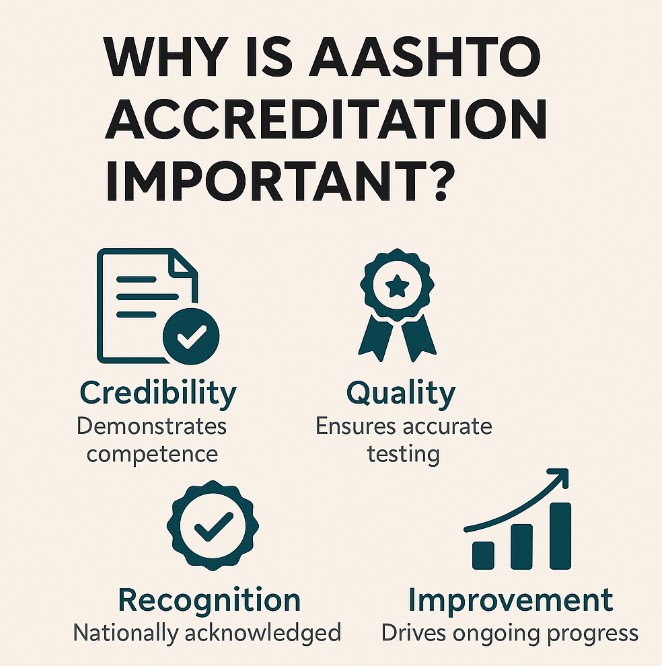
Why is the AASHTO Accreditation Important for Your Company?
Achieving AASHTO Accreditation is a significant milestone for any construction materials testing laboratory. It signifies a commitment to quality, competence, and compliance with nationally recognized standards. This accreditation is not just a badge of honor; it’s a critical factor that can influence project approvals, client trust, and overall business success.

What is AASHTO Accreditation?

The American Association of State Highway and Transportation Officials (AASHTO) Accreditation Program (AAP) formally recognizes laboratories competent in testing construction materials. Managed by AASHTO re:source, the program ensures that laboratories meet specific standards, including AASHTO R18 and relevant ASTM standards, through rigorous assessments and proficiency testing.


Why Does AASHTO Accreditation Matter?

1. Assurance of Quality and Competence

AASHTO Accreditation assures clients and stakeholders that a laboratory adheres to strict quality management systems and testing procedures. It demonstrates a lab’s commitment to producing reliable and accurate test results, which is crucial for infrastructure projects where material performance is paramount.

2. Regulatory Compliance and Market Access

Many state Departments of Transportation (DOTs) and federal agencies require AASHTO Accreditation for laboratories involved in public infrastructure projects. Without this accreditation, a laboratory may be ineligible to participate in certain projects, limiting business opportunities.

3. Competitive Advantage with an AASHTO Accredited lab

Accreditation differentiates a laboratory in a competitive market. It signals to clients that the lab meets high standards, potentially leading to increased trust, more contracts, and the ability to command premium pricing for services.


AASHTO Accreditation

Step-by-Step Guide to Achieving AASHTO Accreditation

Step 1: Register Your Laboratory with AASHTO Resource

Begin by registering your laboratory with AASHTO re:source. This process involves providing basic information about your lab and the types of testing services you offer. Registration is the first formal step toward accreditation

Step 2: Develop a Quality Management System (QMS)

Implement a QMS that complies with AASHTO R18 standards. This system should document procedures, equipment calibration, personnel qualifications, and other quality-related processes. A robust QMS is the backbone of a successful accreditation.

Step 3: Schedule an On-Site Assessment

Request an on-site assessment through AASHTO re:source. During this visit, assessors will evaluate your laboratory’s facilities, equipment, personnel, and adherence to testing standards. They will identify any nonconformities that need to be addressed.

Step 4: Participate in the Proficiency Sample Program (PSP)

Enroll in the PSP, which involves testing standardized samples and submitting results for evaluation. This program assesses your laboratory’s testing accuracy and consistency compared to peer labs.

Step 5: Address Nonconformities

If the on-site assessment or PSP identifies any nonconformities, develop and implement corrective actions. Submit documentation demonstrating how these issues have been resolved to AASHTO re:source within the specified timeframe.

Step 6: Maintain AASHTO Accreditation

Once accredited, maintain compliance by:

  • Continuously adhering to your QMS
  • Participating in regular proficiency testing
  • Undergoing periodic reassessments
  • Keeping up-to-date with changes in testing standards

Real-World Impact: Case Study

Consider a laboratory in Houston, Texas, seeking to participate in state-funded highway construction projects. Without AASHTO Accreditation, the lab may be excluded from bidding on these projects. By achieving accreditation, the lab not only gains access to these opportunities but also enhances its reputation, leading to increased business from private sector clients who value accredited testing services.

AASHTO Accreditation is more than a certification; it’s a testament to a laboratory’s dedication to quality and excellence in construction materials testing. By following the structured accreditation process, laboratories can unlock new business opportunities, ensure compliance with regulatory requirements, and build lasting trust with clients.

2025 Concrete Testing Expert Companies: How to Avoid Costly Mistakes

It’s imperative for Choosing the Right Concrete Testing Expert Companies In the construction industry, the quality of materials is paramount. Concrete, a key building material, is no exception.

Concrete testing companies play a crucial role in ensuring the integrity of this material. They provide essential services that help maintain the safety and durability of structures.

Choosing the right concrete testing company can be a daunting task. There are numerous factors to consider, from accreditation and experience to the range of services offered.

This article aims to guide you through the process. It will provide insights into the importance of concrete testing and the services these companies offer.

We will also delve into the criteria you should consider when selecting a company. By the end, you should be equipped to make an informed decision.

So, let’s embark on this journey to understand the world of concrete testing companies better.

Understanding the Importance of Concrete Testing Expert Companies

Concrete testing is vital in the construction process. It ensures the structural integrity of buildings and infrastructure.

These tests help identify the material’s strengths and weaknesses. Understanding concrete properties can prevent future failures and safety issues.

Concrete testing also ensures compliance with building codes and regulations. Adhering to these standards is essential for legal and safety reasons.

Neglecting concrete testing can lead to costly repairs and project delays. Therefore, it is a fundamental step for any construction project.

Services Offered by Concrete Testing Expert Companies

Concrete testing companies offer a wide range of services. These ensure the quality and durability of the concrete.

Concrete testing laboratories conduct various tests. These can include both lab and on-site assessments.

Here are some common services provided by concrete testing companies:

  • Compressive strength tests
  • Slump tests for workability
  • Durability tests to predict longevity
  • Non-destructive testing methods
  • Concrete mix design evaluations

These services are crucial for guaranteeing that the concrete meets project specifications.

Timely testing services can help keep a construction project on schedule. They play a critical role in project management.

Concrete Testing Expert Companies: What to Look For Before You Hire in 2025

Choosing the right concrete testing company is pivotal for project success. Not all companies offer the same level of service or expertise.

Begin by checking the company’s accreditation. Accredited companies meet industry standards and ensure reliable results.

Experience is another essential factor. More experience often means better service and accuracy.

Consider the range of services offered. A company that provides comprehensive testing can address all your needs.

Evaluate the quality of their equipment. Modern, well-maintained tools lead to accurate and timely results.

Here are key criteria to consider:

  • Accreditation and compliance with industry standards
  • Years of experience in the field
  • Range and scope of testing services
  • Quality and condition of testing equipment
  • Reputation and client feedback

Assess customer service and communication skills. These indicate how well they will collaborate with your team.

Finally, ensure transparency in cost and contract terms. Understanding their fees prevents unexpected expenses.

Accreditation and Experience: Key Factors to Consider

Accreditation ensures a concrete testing company meets industry standards. It is proof of their commitment to quality and accuracy.

Experience is equally vital. A company with extensive experience can handle complex projects and unforeseen challenges.

Accredited companies employ trained professionals who adhere to protocols. This guarantees reliable results for your project.

A company with a long history often has a proven track record. This can provide peace of mind when making your selection.

Finally, consider the company’s past work and client reviews. These offer insights into their reliability and expertise.

The Role of Certified Professionals in Concrete Testing

Certified professionals bring expertise to concrete testing services. Their training ensures that tests are performed correctly and efficiently.

These experts understand complex testing procedures. Their knowledge is crucial for accurate results that comply with regulatory standards.

Concrete Testing Companies

Having certified staff means the company values quality assurance. This reflects in their ability to deliver dependable and precise data.

Finally, choosing a company with certified professionals adds a layer of trust. It shows their commitment to maintaining high testing standards.

Importance of Timely and Accurate Test Results

Timely test results are critical in construction projects. They can impact the progress and prevent costly delays.

Accuracy in testing ensures that the materials meet required standards. This is essential for structural safety and compliance.

Delays in test results can stall entire construction timelines. This emphasizes the need for efficient processing in labs.

Accurate results build confidence in the construction process. They form the basis for sound engineering judgments and decisions.

Assessing the Reputation and History of a Concrete Testing Lab

Reputation speaks volumes about a concrete testing lab’s credibility. Positive feedback from past clients can indicate reliable services.

A lab’s history provides insights into its experience. Long-standing labs often have refined processes and a track record of success.

Investigate any past issues or complaints against the lab. This helps in understanding their customer service and problem resolution.

Ask for references and look for client testimonials. A good testing lab will gladly share details about their past successful projects.

Evaluating Customer Service and Communication

Effective communication is key when working with a concrete testing company. Clear and timely updates keep projects on track.

Assess how the company responds to queries and concerns. A responsive team indicates good customer service.

Consider if they provide detailed explanations of testing processes. This helps in understanding the scope of their services.

Good communication ensures a smooth working relationship. It also aids in addressing issues promptly and efficiently.

The Necessity of Modern Testing Equipment

Reliable results depend on modern testing equipment. Outdated tools may lead to inaccurate outcomes.

Concrete testing companies must invest in state-of-the-art devices. This ensures they meet industry standards.

Advanced technology in testing machines provides precise data. It enhances the quality of building material testing.

Up-to-date equipment also supports efficient testing processes. This can lead to faster, more reliable service delivery.

Understanding the Cost Structure of Concrete Testing Services

When choosing a concrete testing company, cost transparency is crucial. Unexpected expenses can affect your project budget.

It’s vital to understand what is included in the testing fees. This helps avoid any hidden charges that could arise later.

Discussing pricing upfront ensures that all parties are on the same page. It facilitates better financial planning for your project.

Always compare the cost with the services offered. An expensive service should be justified by the quality and range of testing provided.

The Benefits of a Comprehensive Testing Approach

A comprehensive testing approach provides a thorough analysis of concrete properties. This is crucial for ensuring structural safety and durability.

Such an approach involves both destructive and non-destructive testing methods. Each type has its unique advantages and drawbacks.

Benefits of a Comprehensive Testing Approach

  • Ensures accurate assessment of material strength and durability.
  • Helps detect potential flaws before construction issues arise.
  • Enables compliance with building codes and regulations.
  • Provides a detailed report that aids in informed decision-making.

Selecting a company that offers a wide range of tests brings peace of mind. It covers all bases, enhancing the project’s success potential.

Moreover, comprehensive testing helps identify the best materials for specific project needs. This contributes to optimizing both performance and cost efficiency.

Conclusion: Making an Informed Decision

Choosing the right concrete testing company is crucial for any construction project. Thoughtful consideration of various factors ensures optimal selection.

With proper research, you’ll find a company that meets your needs. Focus on accreditation, experience, and comprehensive service offerings for best results.

Accurate Geotechnical Site Investigations Made Simple

Geotechnical Site Investigations and Their Impact on Smart Building Design

Geotechnical site investigations play a crucial role in the design and performance of smart buildings, as they provide essential data about the subsurface conditions that can significantly influence structural integrity, sustainability, and overall functionality. Understanding the geological and hydrological characteristics of a site is fundamental for architects, engineers, and developers, particularly when integrating advanced technologies and sustainable practices into building designs. By conducting thorough geotechnical investigations, stakeholders can identify potential challenges and opportunities that may arise from the unique characteristics of the site, thereby informing the design process and enhancing the performance of smart buildings.

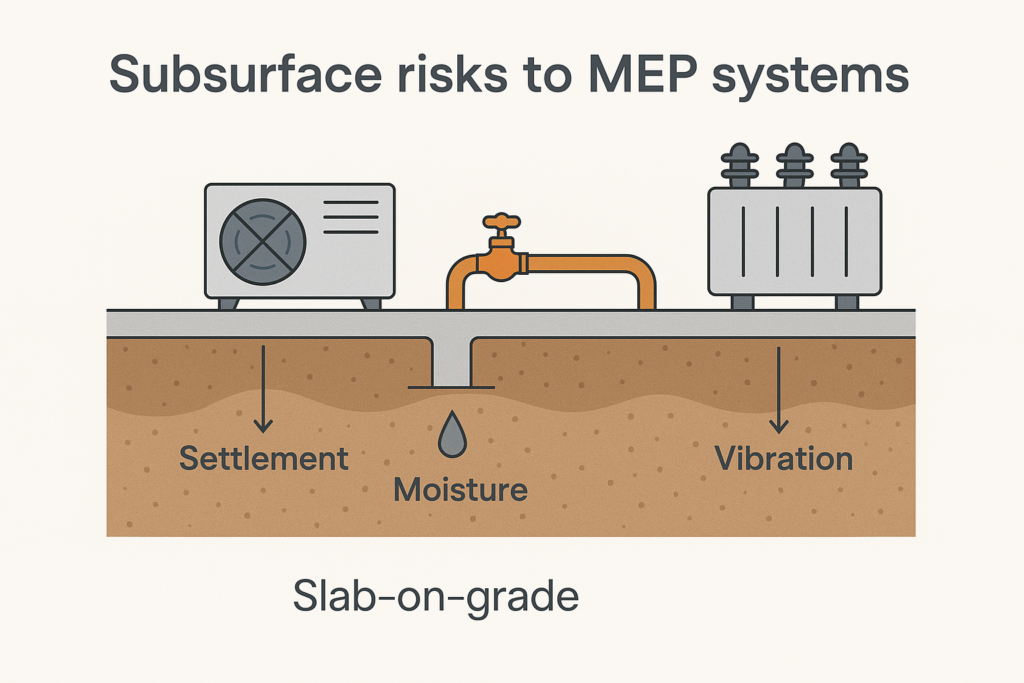
Diagram Subsurface Risks to MEP Systems

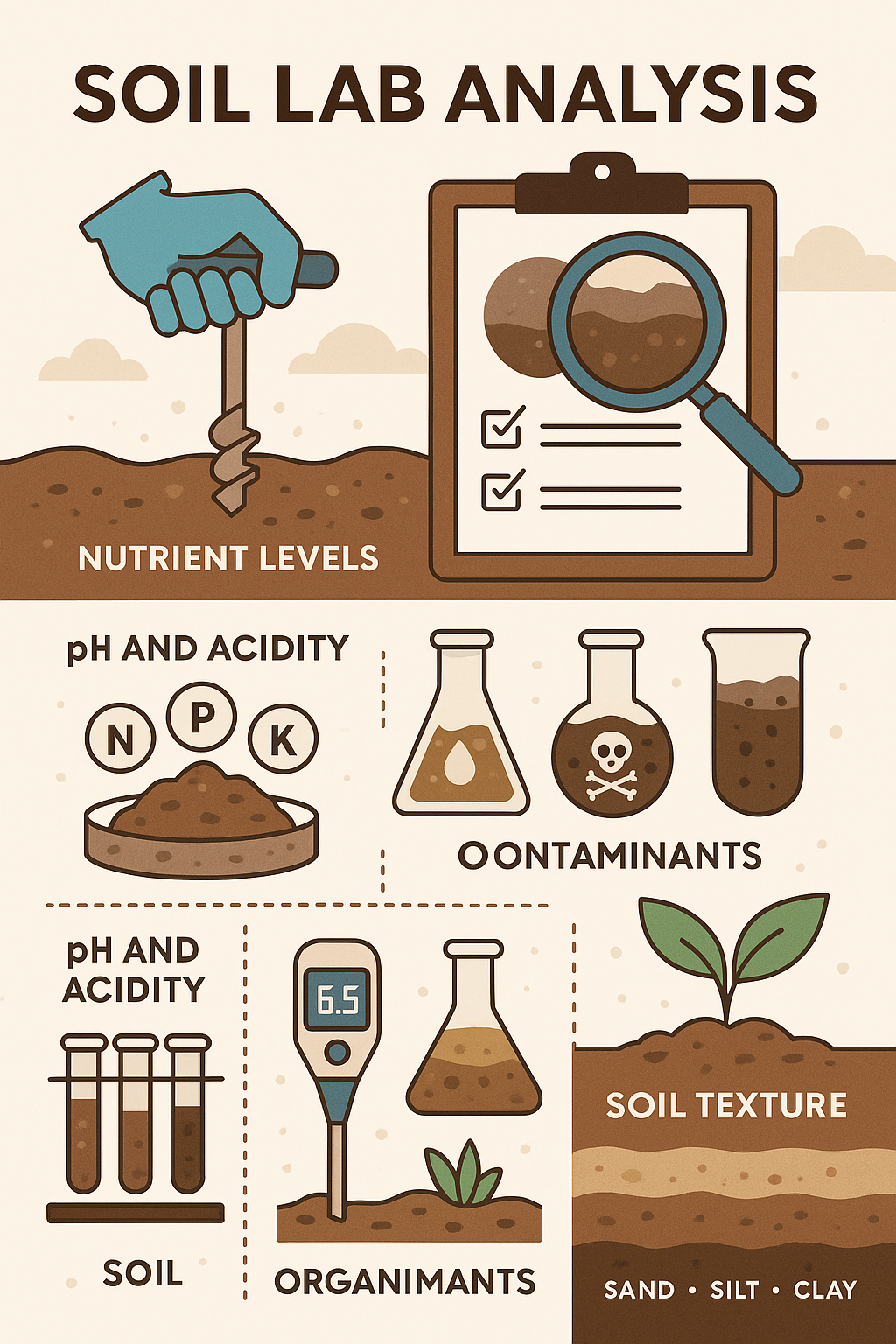
To begin with, geotechnical investigations typically involve a series of tests and analyses aimed at assessing soil properties, rock formations, groundwater levels, and other subsurface conditions. These investigations often include drilling boreholes, collecting soil samples, and performing in-situ tests to evaluate the physical and mechanical properties of the materials present. The data gathered from these investigations is invaluable, as it allows designers to make informed decisions regarding foundation design, material selection, and construction methods. For instance, if the investigation reveals weak or unstable soil conditions, engineers may opt for deep foundations or specialized techniques to ensure the building’s stability and longevity.

Geotechnical Site Investigations Extends Beyond Structural Considerations

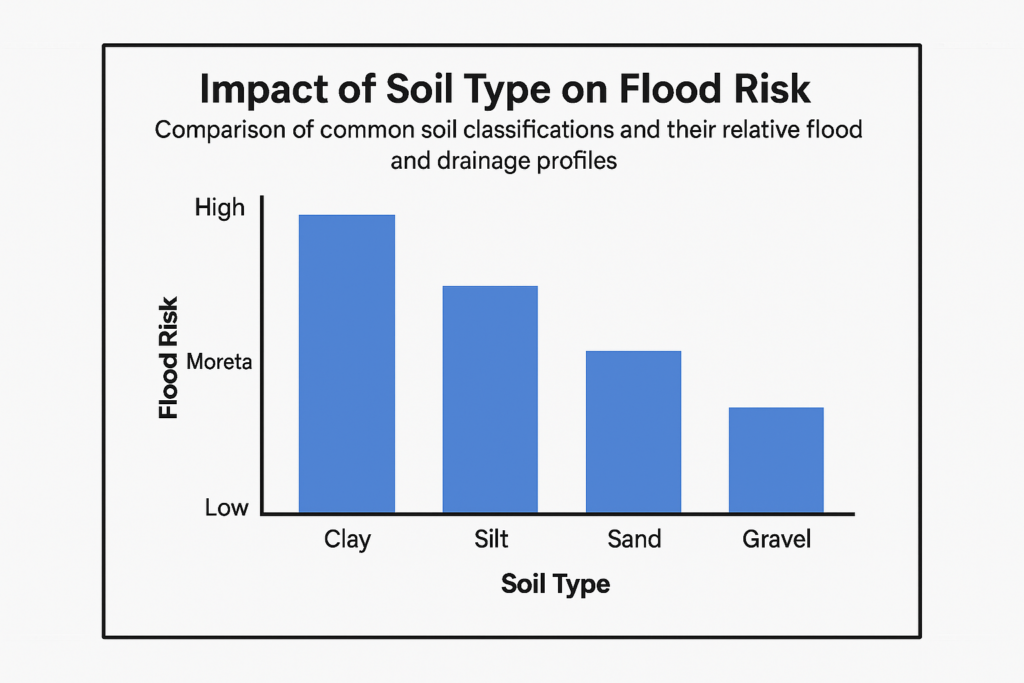
Moreover, the impact of geotechnical investigations extends beyond mere structural considerations. In the context of smart building design, where energy efficiency and environmental sustainability are paramount, understanding the site’s geotechnical characteristics can lead to innovative solutions that minimize resource consumption and reduce the building’s carbon footprint. For example, knowledge of local soil types and groundwater conditions can inform the design of effective stormwater management systems, which are essential for mitigating flooding and enhancing water quality. Additionally, this information can guide the implementation of geothermal heating and cooling systems, which rely on the thermal properties of the ground to optimize energy use.

Chart Impact of Soil Type on Flood Risk

Furthermore, the integration of geotechnical data into the design process fosters collaboration among various stakeholders, including architects, civil engineers, and environmental consultants. By sharing insights gained from geotechnical investigations, these professionals can work together to develop holistic design strategies that address both structural and environmental challenges. This collaborative approach not only enhances the performance of smart buildings but also promotes resilience against natural hazards, such as earthquakes and flooding, which are increasingly relevant in today’s changing climate.

In addition to improving design outcomes, geotechnical investigations also play a vital role in risk management. By identifying potential geotechnical hazards early in the design process, stakeholders can develop mitigation strategies that reduce the likelihood of costly delays and unforeseen complications during construction. This proactive approach not only safeguards the project’s budget and timeline but also contributes to the overall success of the smart building initiative.

Smart Building Geotechnical Site Investigations Conclusion

In conclusion, the significance of geotechnical site investigations in the context of smart building design cannot be overstated. By providing critical insights into subsurface conditions, these investigations inform foundational decisions, enhance sustainability efforts, and foster collaboration among design professionals. As the demand for smart buildings continues to grow, the integration of comprehensive geotechnical data will be essential for ensuring that these structures not only meet the needs of their occupants but also contribute positively to the environment and community at large. Ultimately, prioritizing geotechnical coordination in the design process will lead to smarter, safer, and more sustainable buildings that stand the test of time.

Geotechnical Site Investigations Smart Building Lifecycle with Geotechnical Input Infographic

Contact us today to build your next project.

Send an Email


Office

CMT
10665 Richmond Ave, Ste 190
Houston, Texas 77042

Hours

Mon-Fri: 7am – 6pm
Sat: 8am – 5pm
Sun: Closed

Communicate

Email: [email protected]
Phone: (832) 464-8334